AN ARTIST-LED PROGRAMME IN RETIREMENT COMMUNITIES · KENT
A working studio.
One afternoon a week for ten weeks. A group of twelve. Two disciplines a season, three seasons a year, and a Private View the following September.
━ Why THIS STUDIO
A frame is a decision.
There is a tired idea about retirement that goes: you have spent your career being the picture, now step back and be the frame.
It has the job of a frame backwards.
A frame is not the thing at the edge. It is the decision.
Every frame in every gallery is an argument that says: 'this, and not that. Look at this.'
What sits outside the edge has been considered and then rejected.
For forty plus years did somebody else set the frame? The brief, the client, the case, the territory, the quarterly numbers. What has changed is not whether you are still capable.
It is who holds the pencil that draws the line and decides the edge.
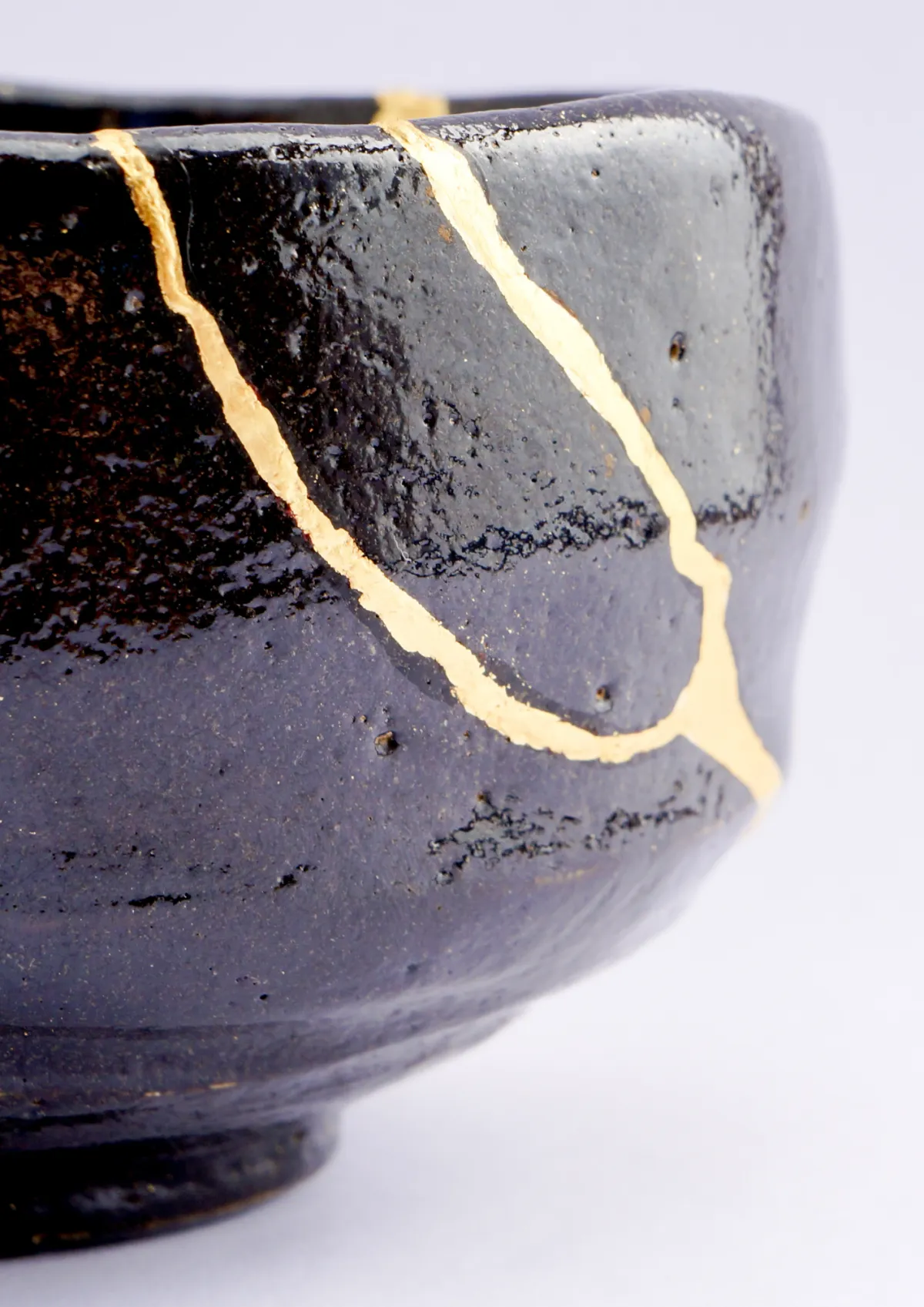
That is what The Studio is. A room where the decisions are yours. What to look at, what to leave out, when it is finished, and whether the gold seam runs across the bowl or around it.
No deadlines. No grading. No justifying your decision.
━ HOW IT WORKS
Three Seasons. Ten weeks each.
Each Season covers two disciplines, five weeks apiece. You can take one, two or all three, and each one flows naturally into the next season.
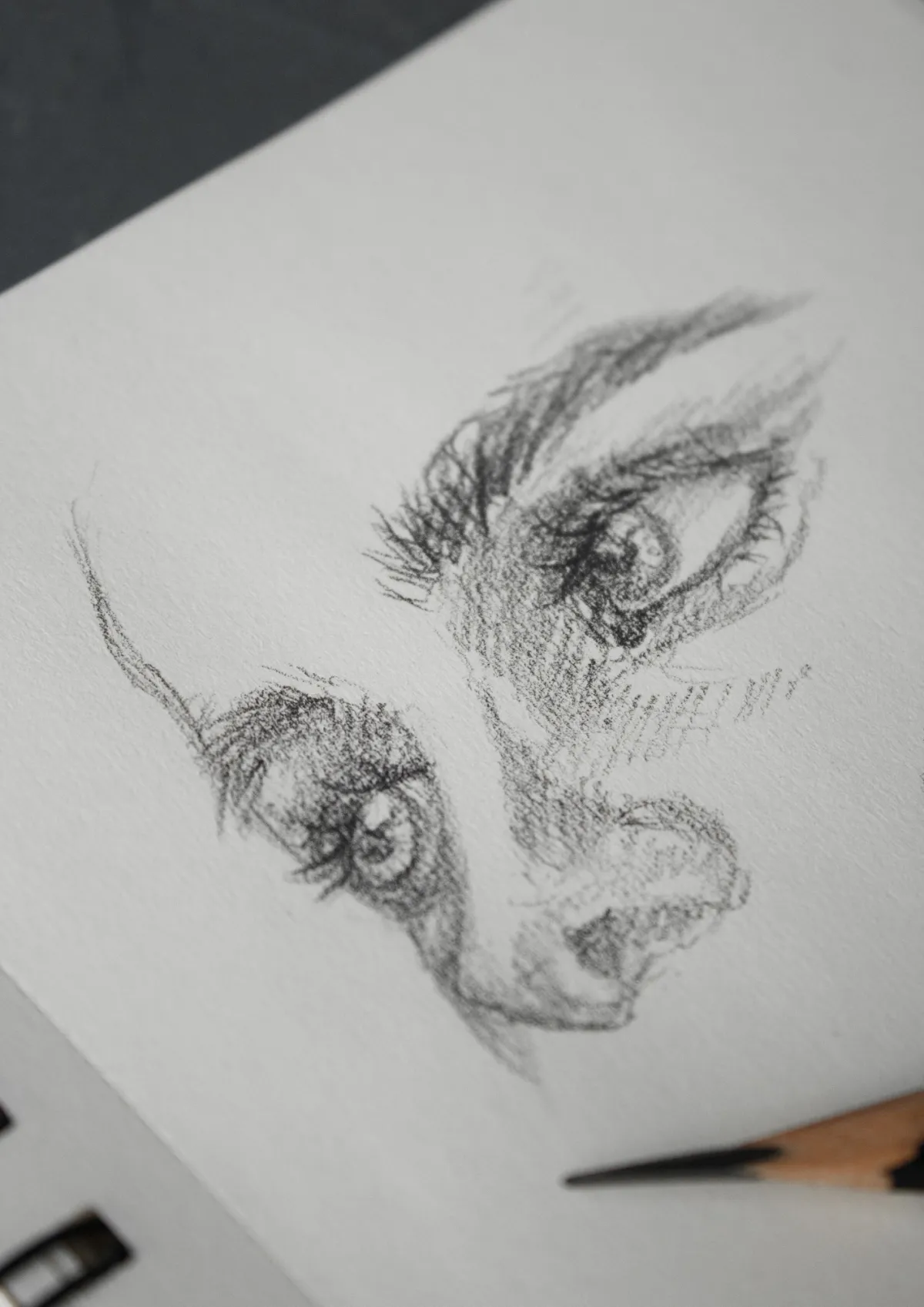
THE DRAWN LINE
Graphite, then Monoprint.
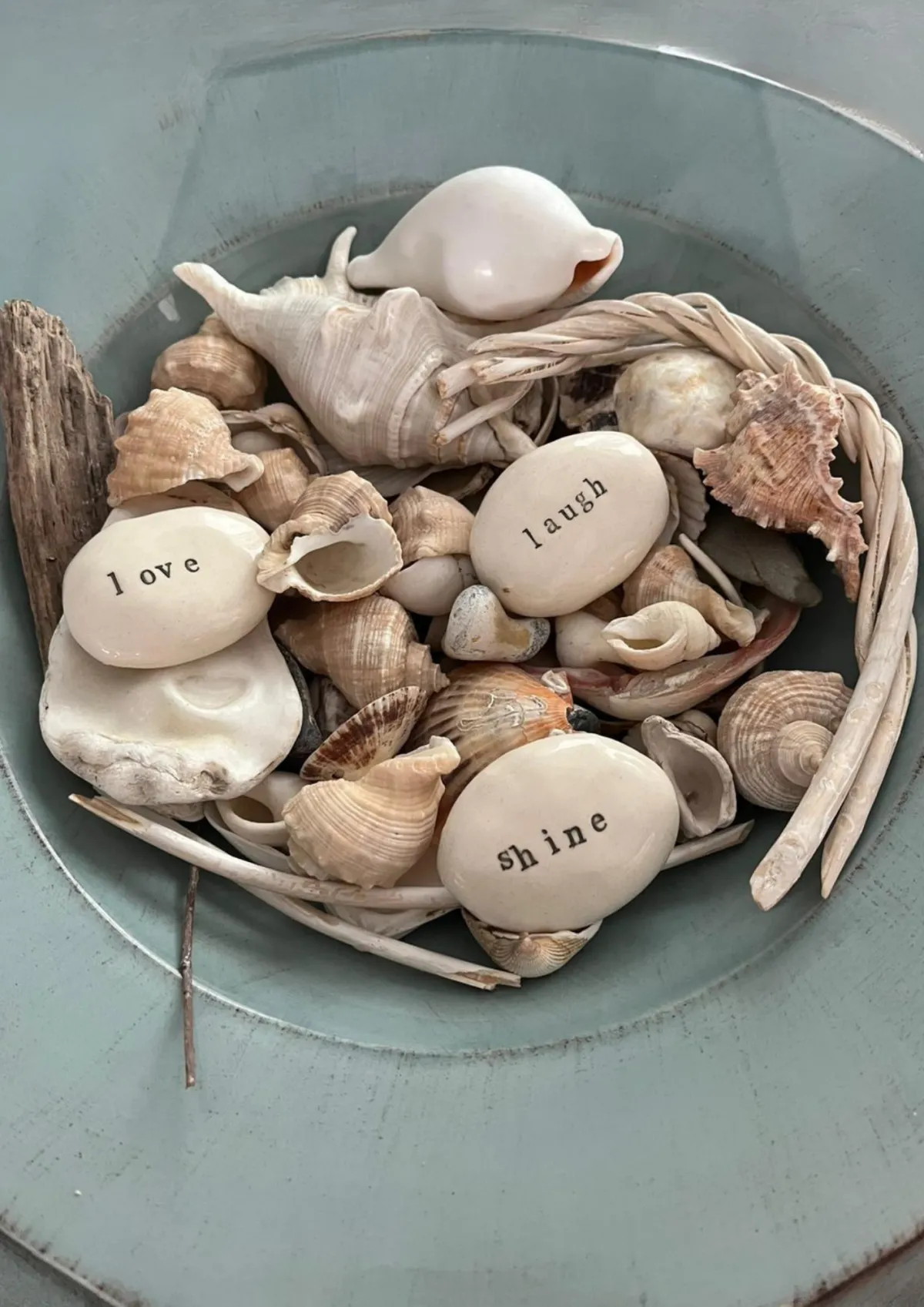
THE MADE FORM
Air-dry Clay, then Plaster.
THE GILDED LINE
Gold Leaf, then Kintsugi.
Drawing begins with whatever is nearest. A pair of spectacles, a jug, some secateurs, an apple that will be eaten afterwards. These are the things you stopped seeing years ago, which is exactly why they are worth looking at with fresh eyes.
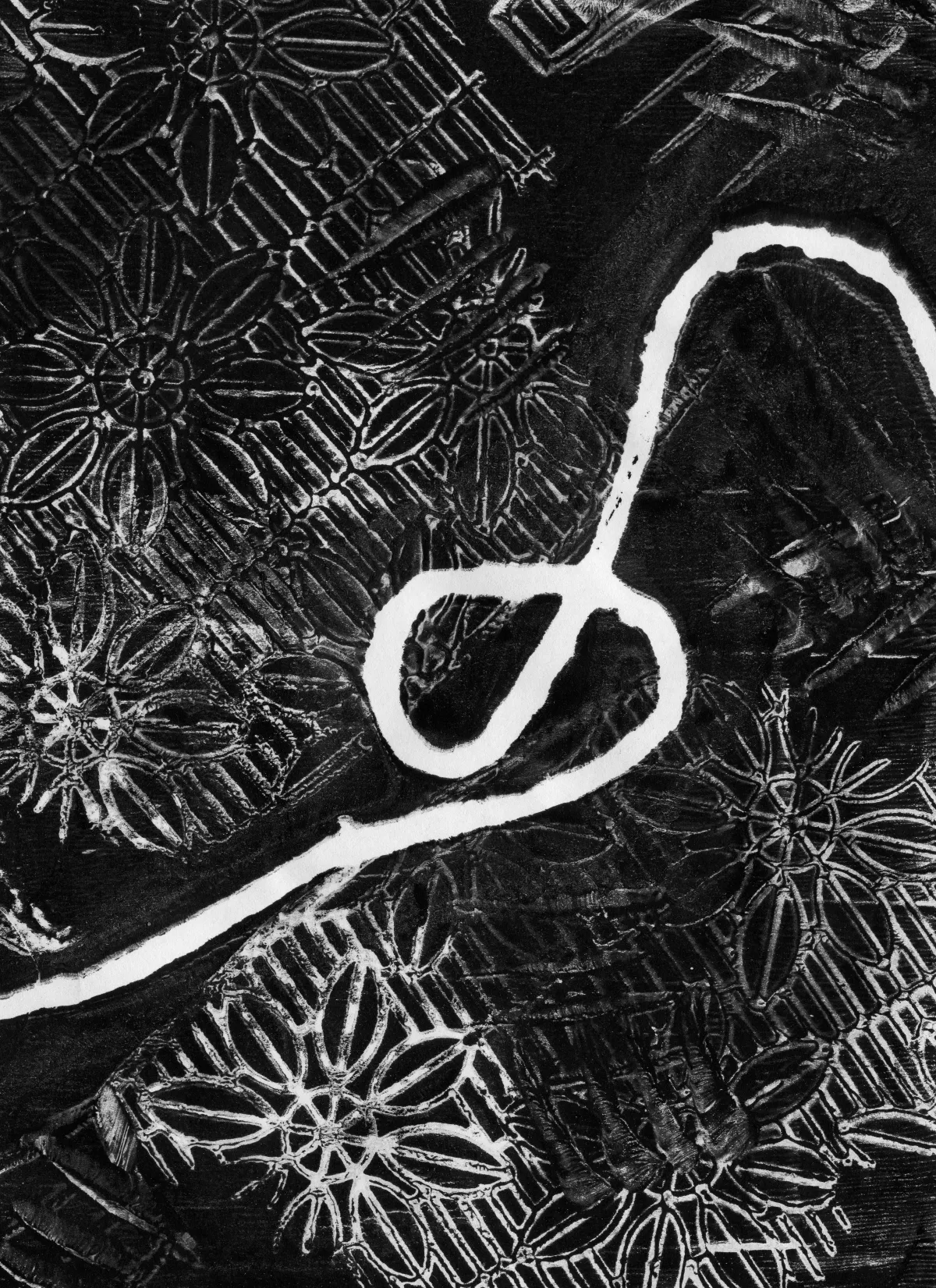
Then we ink a plate, lay the paper face down and draw on the back of it, and peel it off to see what happened. It is the closest thing printmaking has to a magic trick, and like watching a firework, nobody has ever pulled a first print without an audible reaction.
Something to hold. Small pebbles and dishes first, with letters and marks pressed into the surface while the clay is still soft, then vessels with a bit more ambition.
When cloth is dipped in plaster, draped over a jar and left to find its own folded form that holds its shape forever. It comes out looking far more sculptural than predicted, which is the best kind of result. Serendipity.
Gold leaf is so thin it moves if you breathe near it. We'll bond it to plates, bowls, pebbles and anything else that will hold still.
It catches the light from across the room in a way that is frankly hard to be modest about.
Then Kintsugi, the ancient Japanese art of mending a broken pot so the repair shows in gold. Bring something from home if you like. I promise you'll take it back better than it arrived.
F R A M E
THE STUDIO EDITION
FOR RETIREMENT COMMUNITIES
━ IN PRACTICE
How an
afternoon goes...
Twelve people, one long table, two hours and a pot of tea.
Everything is provided, so there is nothing to buy and nothing to carry.
Each discipline runs over five weeks. An apron is yours from the first afternoon. Take it home, leave it here, wear it in the garden. It is not a uniform and nobody is checking.
The first five weeks:
We start with exploring and experimenting. Week one is for having a go with no consequences at all, and nothing created is kept. Weeks two to four are the real thing. Week five is finishing, mounting and giving the work a title, which is the moment it stops being practice.
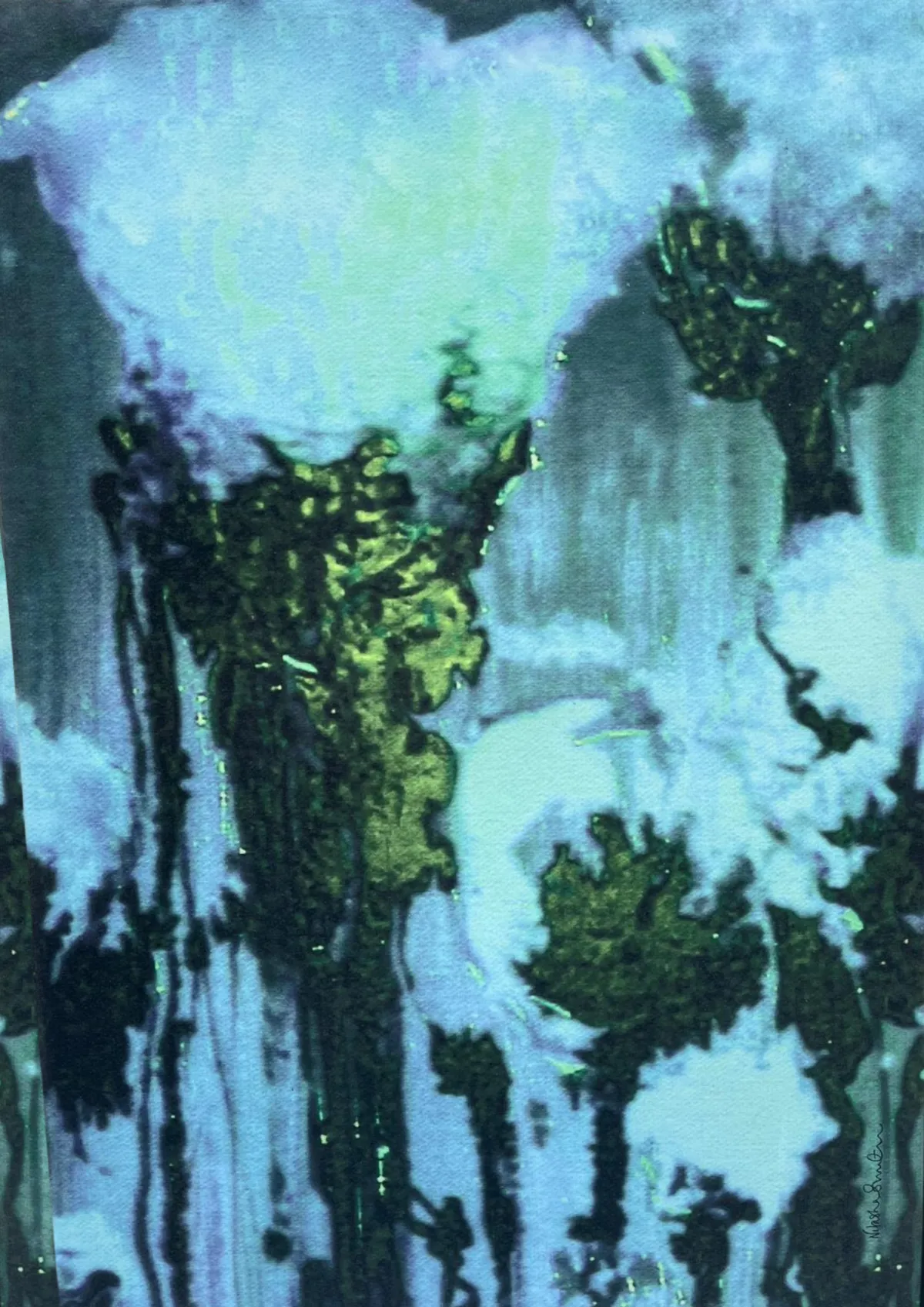
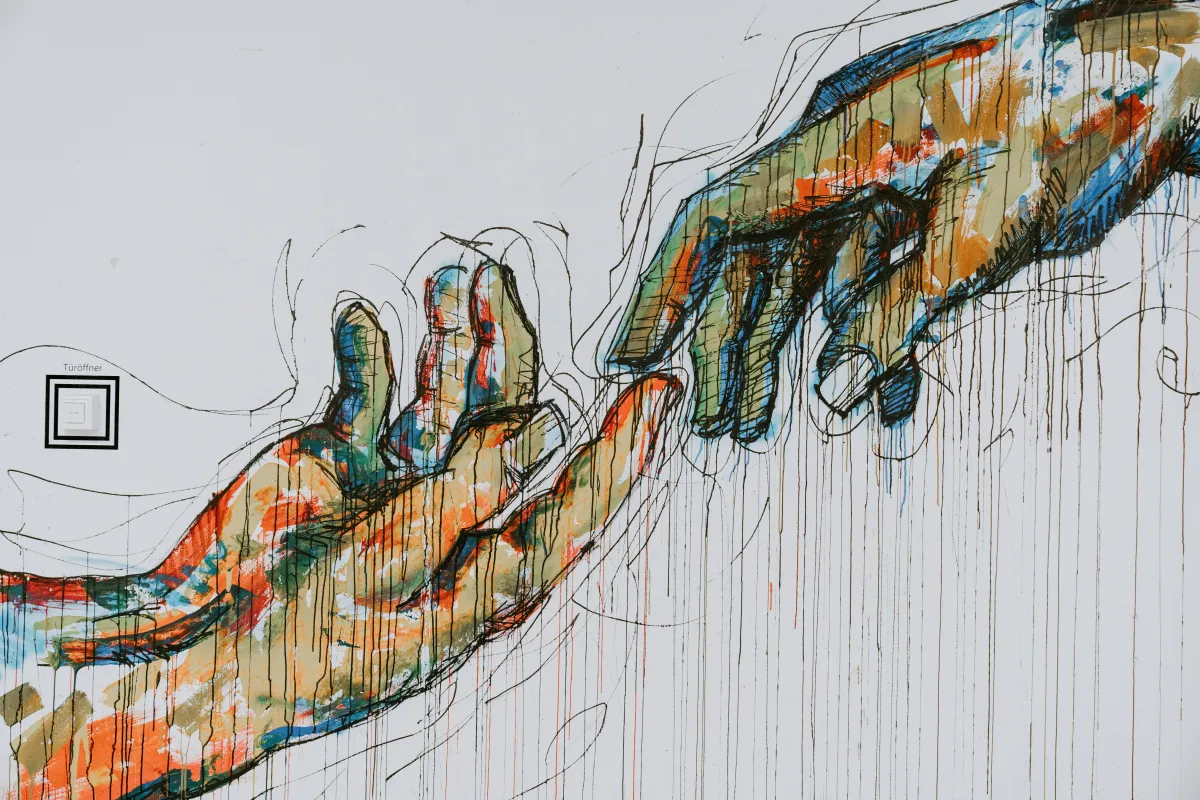
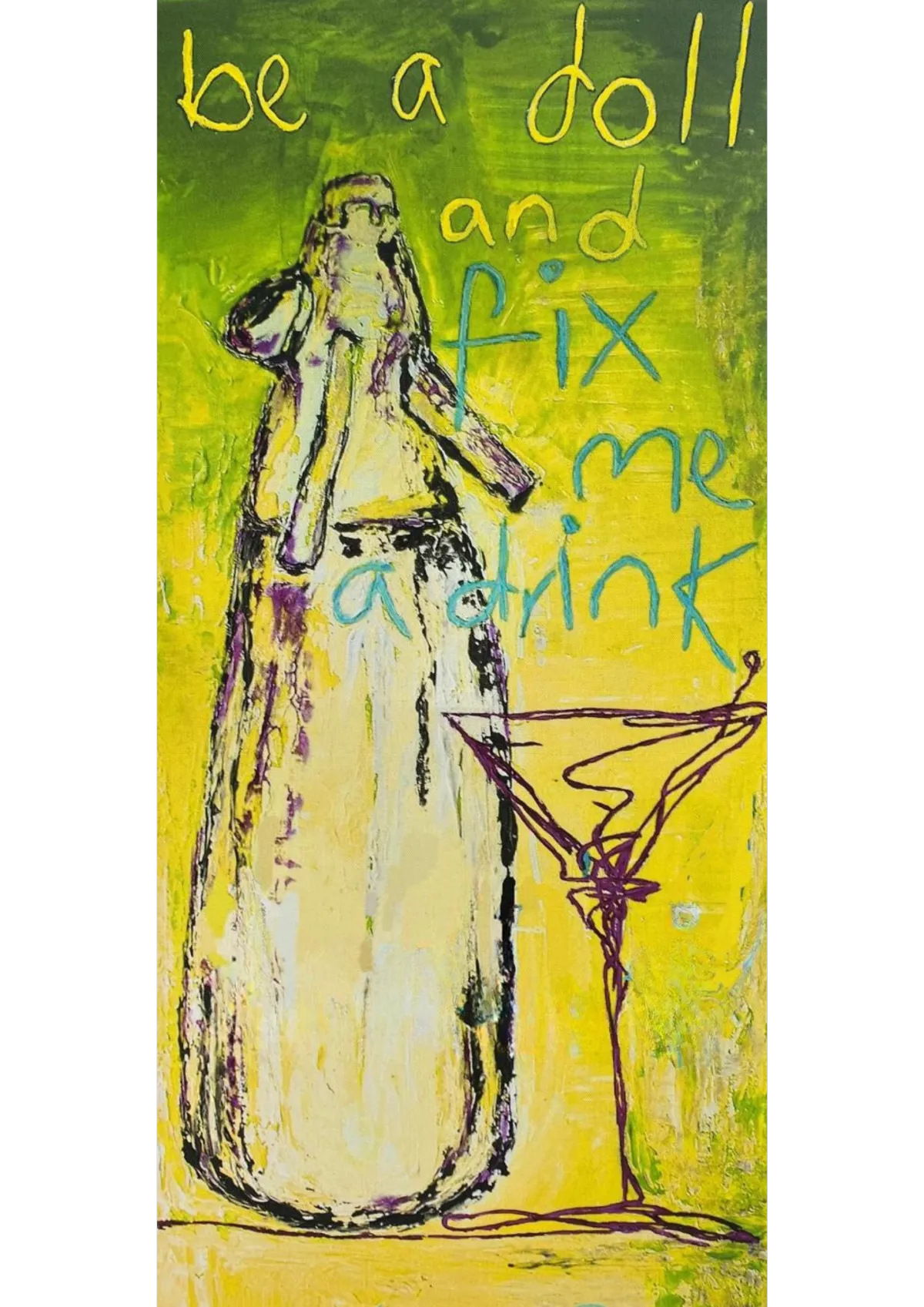
Nobody needs to have drawn or painted since school.
The second five weeks:
The season changes gear. The second discipline is not a fresh start, it is what the first five weeks were quietly preparing you for.
In The Drawn Line, five weeks of pencil turn into Monoprint, where you draw on the back of the paper and the pressure of your hand lifts the ink. Every habit the graphite taught you, influences your mark-making on the printing plate whether you invited it or not. You'll create a collection of prints.
In The Made Form, air clay teaches you what the medium wants to do. Plaster and cloth then asks you to create a sculpture out of soaked fabric and a jam jar.
In The Gilded Line, five weeks of gilding means that by the time a broken pot arrives, your hands already know what gold leaf does. Nobody meets gold leaf for the first time on something that matters.
Everything is taught from the beginning, every time. Nobody needs to have drawn before. Nobody needs to have drawn since school. It genuinely does not matter, and after week one you will have forgotten you even gave it a second thought.
If you miss a week, your work waits for you.
Holidays happen. So do grandchildren, hospital appointments and better invitations. Come back the following week and pick up where you left off. There is no register and nobody minds.
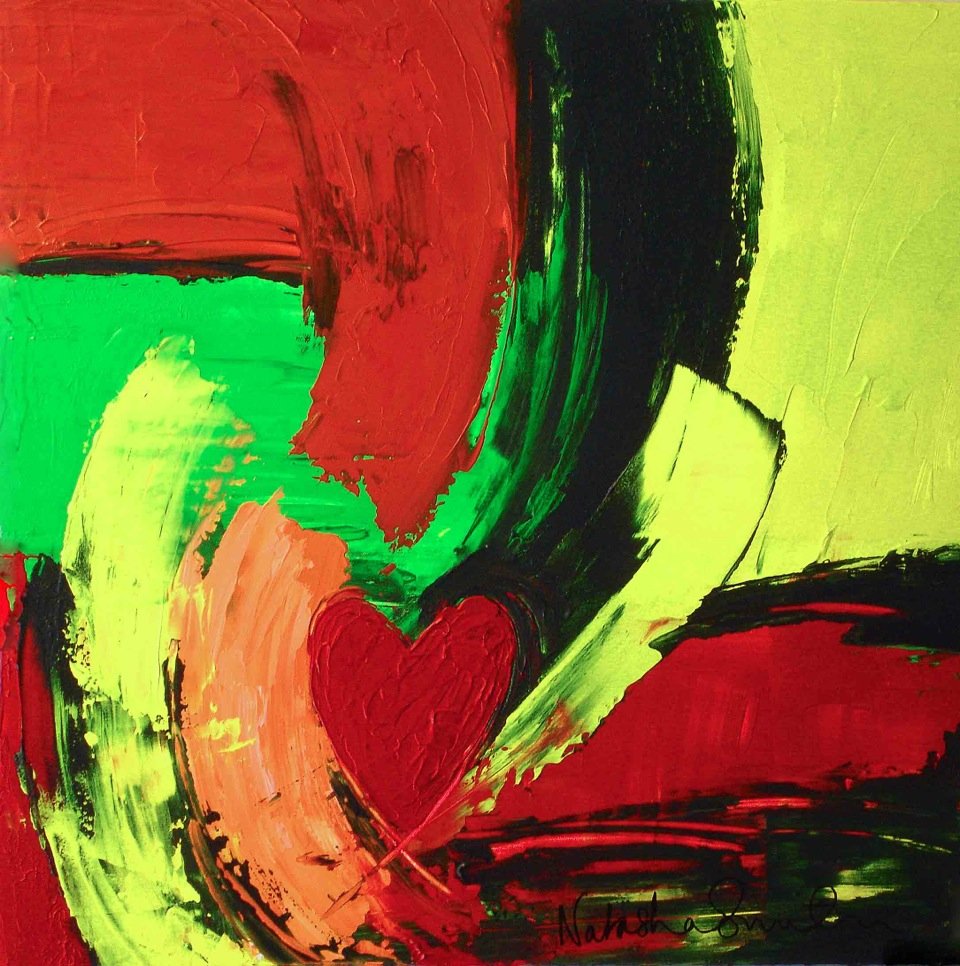
The Private View
The following September, your works of art are exhibited.
Mounted, framed, or set out on a table. Drinks. Families and friends invited.
If you did one season, your work is in the show. If you did all three, your work is in the show. The labels follow gallery convention: name, title, material, size. Nothing else.
No ages. No note about how long you had been drawing, or whether you had drawn before. Explaining the artist on a label is a way of apologising for the work, and there is nothing here to apologise for.
The catalogue goes online, so a grandchild in Sydney can see it. Each year sits beneath the last.
Every season also ends with a smaller showing, the curated collection of work in the studio, and an afternoon of artists being quietly pleased with themselves.
The hardest things to truly see are the things you look at everyday.
Tash Ferrell, artist in residence
Graduated from the same Liverpool Art School as John Lennon, with First Class Honours. I've been a commercial artist for over twenty years. And exhibited internationally, designed tableware, run my own gallery and lectured at the University for the Creative Arts.
Born in the mid-70s, I teach art the way I like to be taught. Show me how it is actually done, tell me where it came from, then leave me alone to experiment and come back if I ask.
The disciplines here are old ones. Kintsugi goes back to the fifteenth century. Gilding is older still. And Degas famously revived monoprinting in the 1870s. None of them are hard to begin, all of them take a while to get good at, and every one of them is even more fun than it looks.
If you're anything like me, once you learn the Kintsugi way - you'll be turning-up the shiny with gold leaf on anything you can get your hands on!
I live locally with my husband, our teenage sons and an accident-prone French Bulldog. I hold an enhanced DBS, and I am a serving safeguarding officer at Town Malling Cricket Club.

Bring the Studio to your village.
Programmes are commissioned by the Season or by the year. A ten-week Season for twelve people starts at £8,000, including all materials and a studio apron each.
━ notes for the GENERAL manager
What the room needs.
Not much is needed. Every discipline was chosen so it could be done at a table.
No kiln, no firing, no extraction, no plumbing, no specialist equipment and nothing to store.
What we will need is a table, twelve chairs, daylight, and a shelf where work can dry for a week. An existing lounge does it. A sun room does it better.
Materials arrive with me. The room goes back to being a lounge at four o'clock.
One artist, Tash Ferrell teaches the whole thing. Not a rota, not a different tutor each month, and not delivered through a computer screen. Tash works at the pace of each individual and ensures everyone gets tailored attention and support.
Three seasons a year, ten sessions each.
Twelve residents, two disciplines a season.
A relaxed showing at the end of every season.
The Private View each September, with an online catalogue created.
All materials provided, including the gold and a studio apron.
For retirement communities, residents, and anyone who would like to know more.
Contact Tash : https://calendly.com/tashferrell/the-studio or 07776133245
'The Studio ' programme directed and delivered by Tash Ferrell.
Tash also works with professional firms using her signature system ProVisible®.
https://TashFerrellCoaching.com
© 2026 TASH FERRELL · West Malling, Kent